Best Crypto Casino UK Sites in 2026: A Complete Guide to Bitcoin Gambling, Licensing, and Safe Bankroll Management for UK Players

I've been watching the online gambling scene shift for years now, and 2026 feels like the moment crypto finally went mainstream among UK players. Walk into any gambling forum and you'll see the same question popping up: why bother with a bank transfer when Bitcoin lands in seconds? Speed is one draw, but it's not the only one. Privacy, lower fees, and the novelty of blockchain-based fairness have pulled a lot of traditionally cautious punters toward digital currency gaming. That said, the crypto casino space is still a bit of a wild frontier compared to the heavily regulated fiat world UK gamblers are used to. This guide is my attempt to cut through the noise and give you a grounded, practical look at how to gamble with crypto safely, legally, and without torching your bankroll.
What Is a Crypto Casino and How Does It Work?
At its core, a crypto casino is just an online gambling platform that lets you deposit, bet, and cash out using cryptocurrencies instead of pounds sterling. Some operators run entirely on crypto rails, while others bolt crypto payment options onto a traditional fiat casino. The interesting bit is what happens under the hood—many of these sites use blockchain technology not just for payments but to prove that games aren't rigged. That's a meaningful shift from the old 'trust us' model fiat casinos have relied on for decades.
Common Cryptocurrencies Accepted at UK-Facing Platforms
Bitcoin remains the default choice simply because it's the most recognised and widely supported, but it's far from the only option. Ethereum shows up frequently thanks to its smart contract capabilities, Litecoin is popular for its quick confirmation times and negligible fees, and stablecoins like USDT have become a favourite for players who want crypto's speed without the price swings. Each coin has trade-offs—Bitcoin can get pricey during network congestion, while stablecoins trade volatility protection for a slightly less 'crypto-native' feel.
Provably Fair Technology Explained
Provably fair systems use cryptographic hashing so you can independently verify that a dice roll, card shuffle, or slot spin wasn't manipulated after the fact. In plain terms: the casino generates a result, hashes it, and shows you the hash before you play. Once the round ends, you can check the hash against the outcome to confirm nothing was altered. It's not foolproof against every type of operator dishonesty, but it's a genuine upgrade in transparency over the black-box RNGs fiat casinos typically use.
Is Crypto Gambling Legal in the UK?
This is where things get murky, and I think it's the part most guides gloss over. The UK Gambling Commission (UKGC) regulates licensed operators tightly, but as of 2026, formal UKGC guidance specifically addressing cryptocurrency transactions remains limited. Plenty of crypto-friendly casinos accepting UK players operate under offshore licences—Curaçao and Malta being the most common—rather than holding a full UKGC licence. That doesn't automatically make them illegal to use, but it does mean you lose certain UK-specific consumer protections, including straightforward access to the Financial Ombudsman or UKGC dispute resolution. It's a legal grey zone, and players need to go in with eyes open rather than assuming offshore equals unsafe or UKGC equals bulletproof.
How to Choose the Best Crypto Casino UK Players Can Trust
Picking a platform shouldn't come down to flashy welcome bonuses alone. I always tell people to weigh licensing credibility, the breadth of the game library, how quickly withdrawals actually clear (not just what the FAQ claims), and whether customer support is reachable at 2am when something goes wrong with a transaction. For players comparing options, sites like crypto casino uk showcase how modern operators combine crypto flexibility with regulatory transparency and diverse game libraries—a useful benchmark when you're sizing up unfamiliar brands.
Licensing and Security Checklist
- Valid licence displayed clearly, with a verifiable registration number
- SSL encryption across the entire site, not just the login page
- Independently audited RNG or provably fair verification tools
- Transparent terms covering withdrawal limits and processing times
- Clear KYC and anti-money-laundering procedures, even for crypto deposits
Bonus Structures and Wagering Requirements
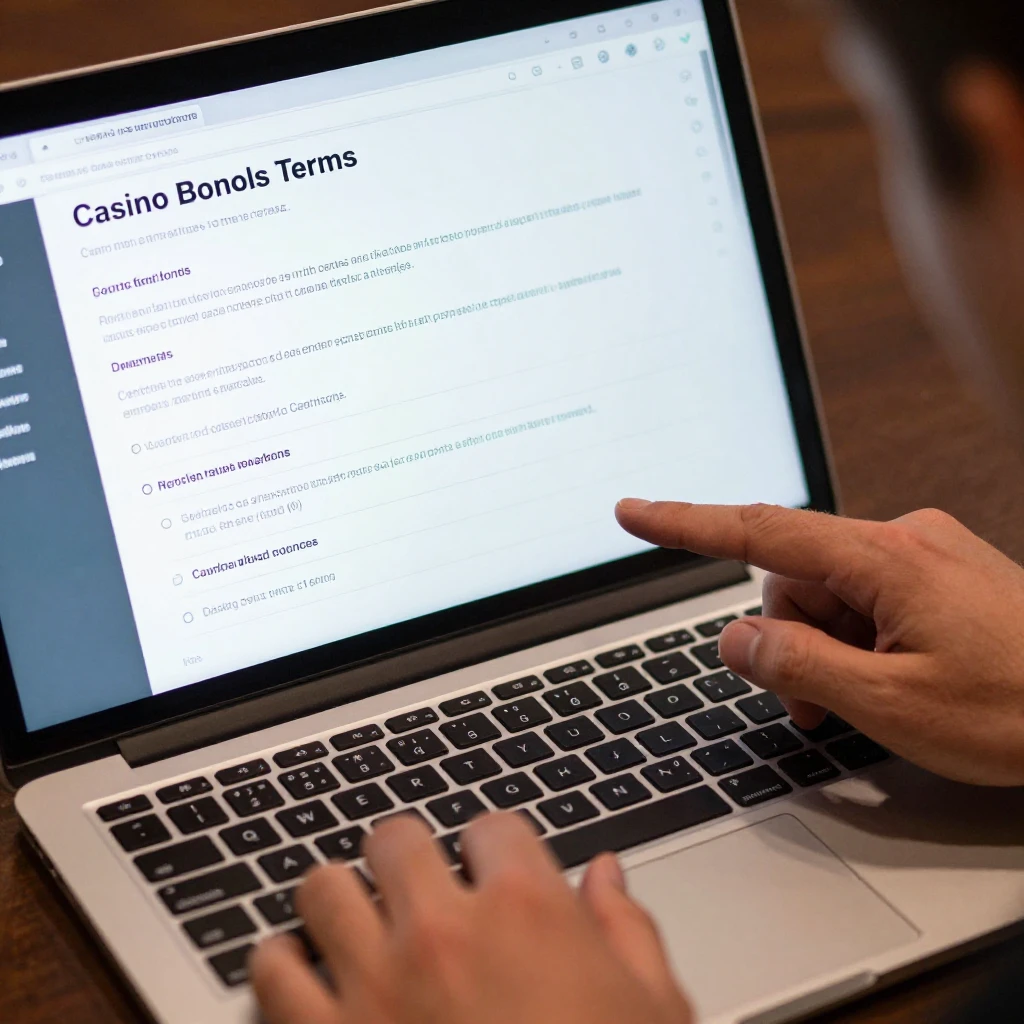
Crypto bonuses tend to be more aggressive than fiat equivalents—think 150% deposit matches or chunky free spin packages—but the wagering requirements attached can be brutal if you don't read the fine print. Some platforms calculate wagering based on the crypto's value at the time of deposit, which gets complicated if the coin's price moves significantly before you clear the bonus. VIP crypto rewards programmes are also becoming more common, often tying perks to deposit volume in BTC or ETH rather than fiat equivalents.
Safe Bankroll Management for Crypto Gambling
Here's where crypto introduces a genuinely new wrinkle: your bankroll isn't just affected by wins and losses—it's affected by market volatility too. A £200 deposit in Bitcoin could be worth £180 or £230 by the time you decide to cash out, independent of how well you played. I'd strongly suggest setting a hard deposit limit in fiat terms and converting only what you're prepared to lose entirely. Using stablecoins for your gambling bankroll is one practical way to sidestep this volatility risk while still enjoying faster transactions than traditional banking.
Setting Limits and Using Self-Exclusion Tools
Just because you're paying with crypto doesn't mean UK responsible gambling tools disappear. Reputable crypto casinos still offer deposit caps, session time-outs, and cooling-off periods. GamStop registration remains available to UK players and, where a platform respects it, should block access regardless of payment method. If a crypto casino doesn't support any self-exclusion mechanism at all, that's a red flag worth taking seriously.
Common Mistakes UK Crypto Gamblers Should Avoid
I've seen the same errors crop up again and again. Players skip KYC verification early on, only to get stuck when a large withdrawal triggers mandatory checks they weren't prepared for. Others move funds through unregulated exchanges with poor security track records, exposing themselves to risks that have nothing to do with the casino itself. Chasing losses is already a classic gambling trap, but crypto volatility can amplify it—trying to 'win back' losses while the underlying coin is also dropping in value is a recipe for a much bigger hole. And frankly, too many players never bother checking actual withdrawal processing times before depositing, then get frustrated when a 'instant' payout takes 48 hours due to manual review.
The Future of Crypto Gambling in the UK (2026 and Beyond)
Regulatory scrutiny is clearly tightening. I expect the UKGC to eventually issue more specific crypto gambling guidance, possibly mirroring moves already seen in other European jurisdictions. Decentralized casinos running on DeFi protocols are also gaining traction, offering gambling without a central operator holding funds—interesting in theory, though still rough around the edges for mainstream UK players. What's certain is demand for instant, low-fee transactions isn't going away, and operators who ignore that shift will struggle to stay competitive.
Crypto casinos genuinely offer something traditional UK gambling sites can't match—speed, privacy, and a layer of verifiable fairness that's hard to replicate with fiat systems. But none of that matters if you skip the vetting process. Check the licensing, scrutinise the bonus terms, and treat your bankroll with the same discipline you'd apply to any volatile asset. Do that, and crypto gambling in 2026 can be a genuinely rewarding, safer experience rather than a gamble on top of a gamble.